A textured wall changes a room before you notice why. Grasscloth, cork, jute, and mica trade flat color for something your eye keeps returning to, because natural fiber holds light the way paint never can.
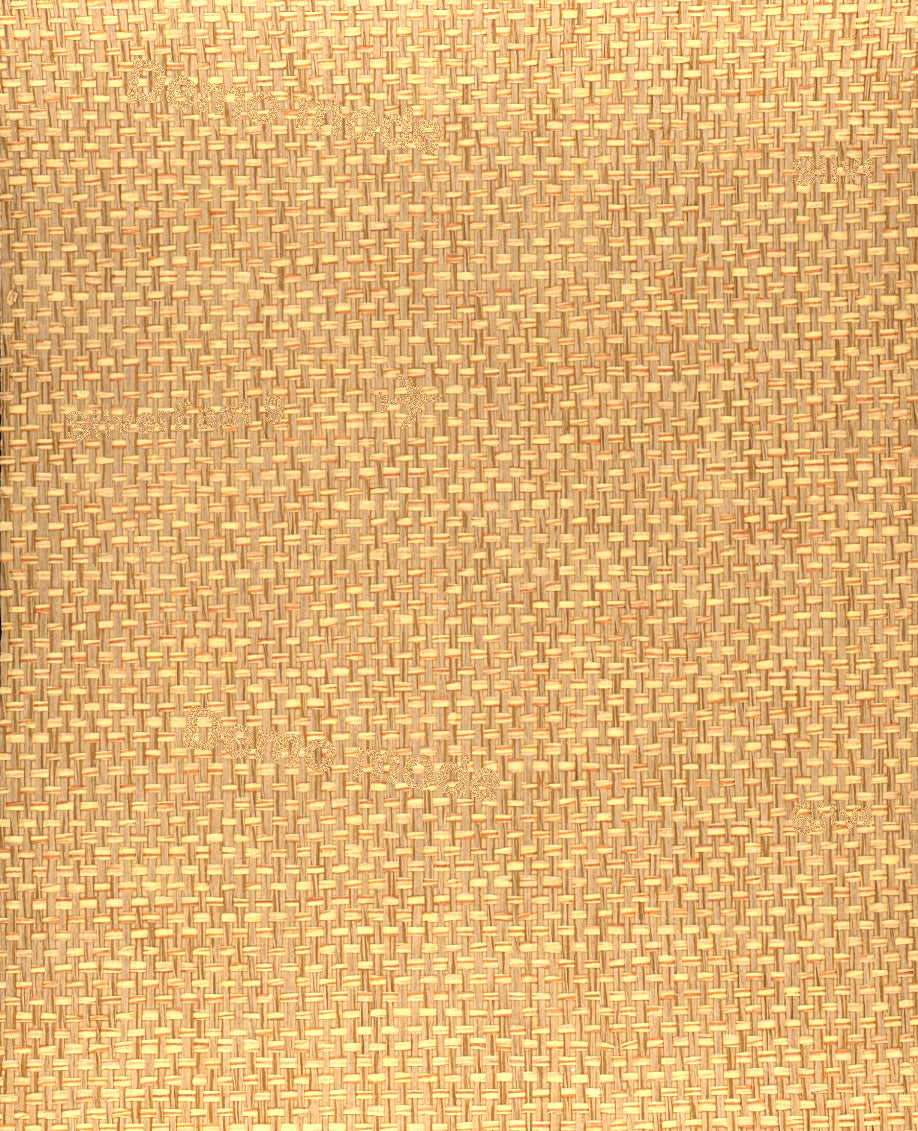
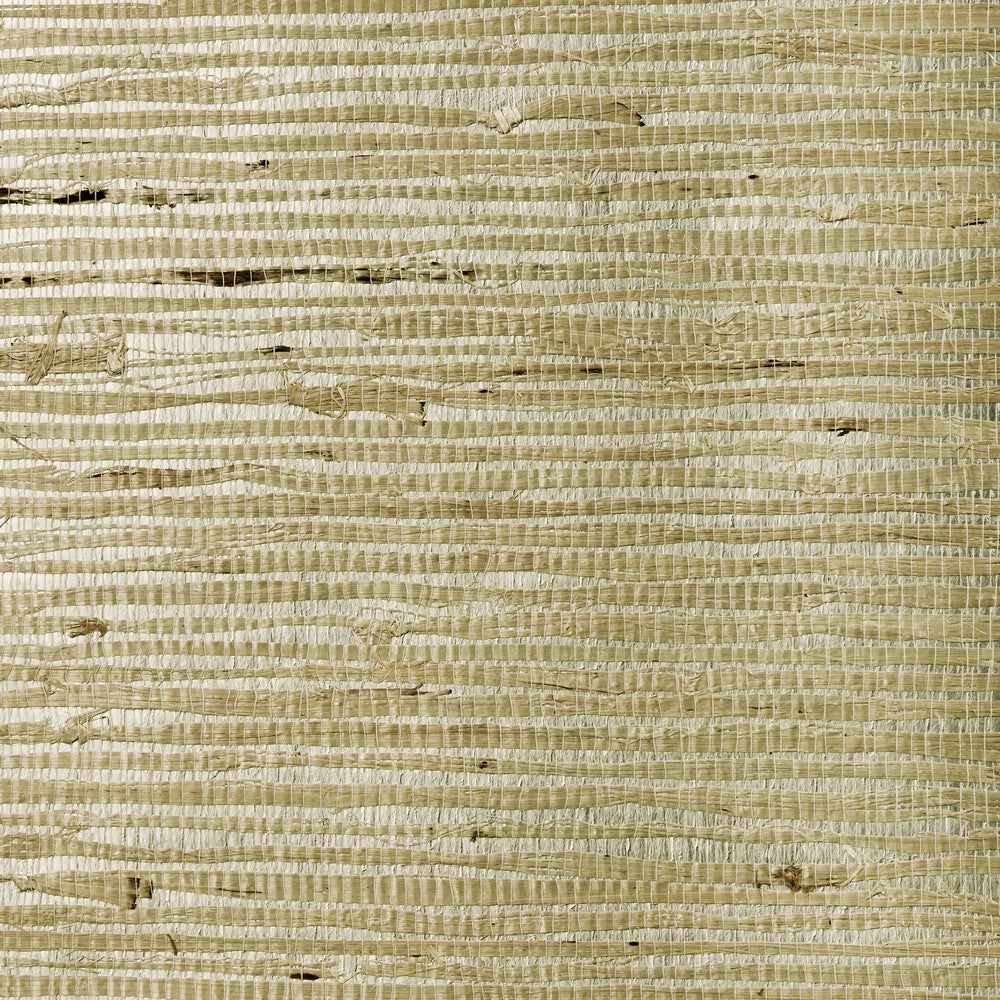
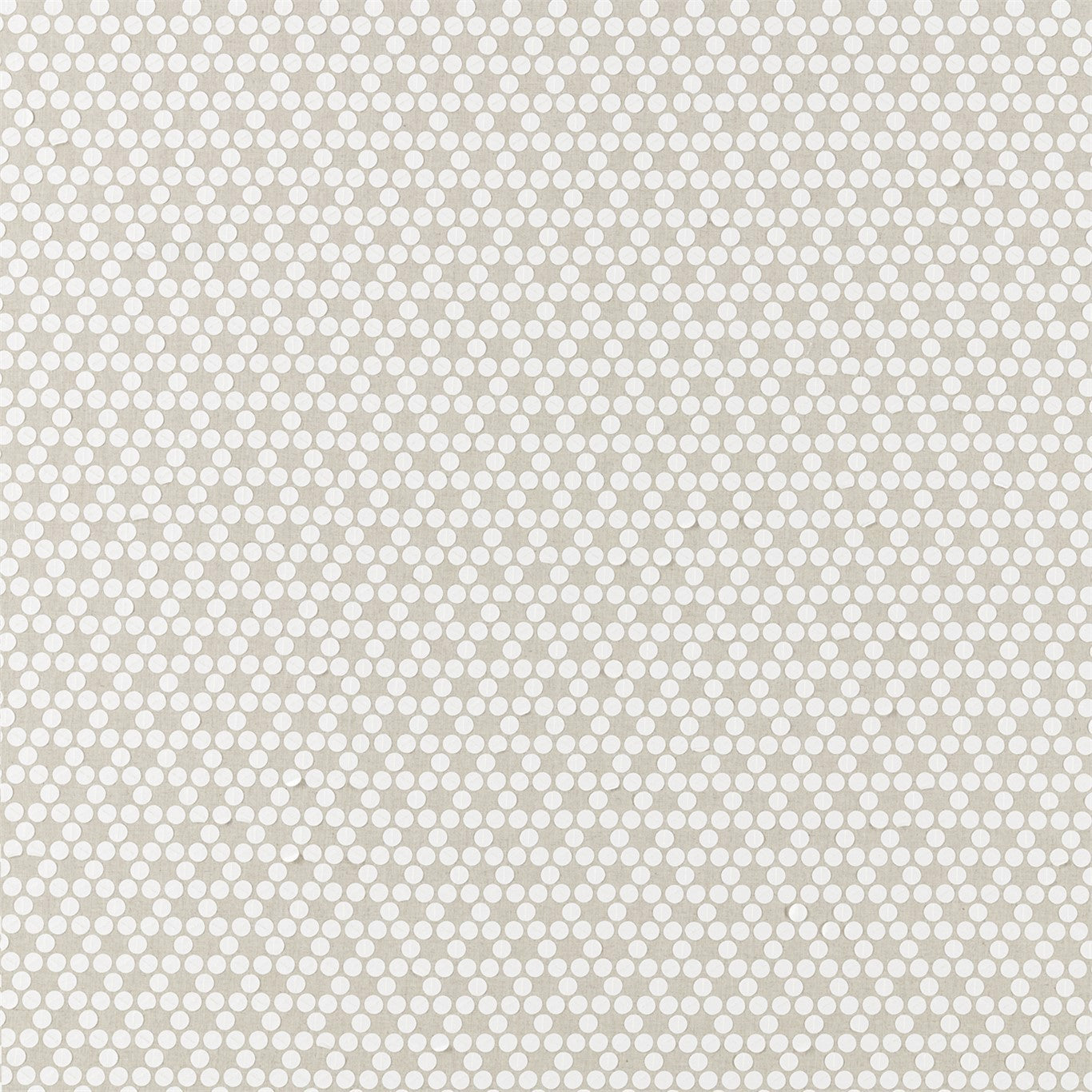
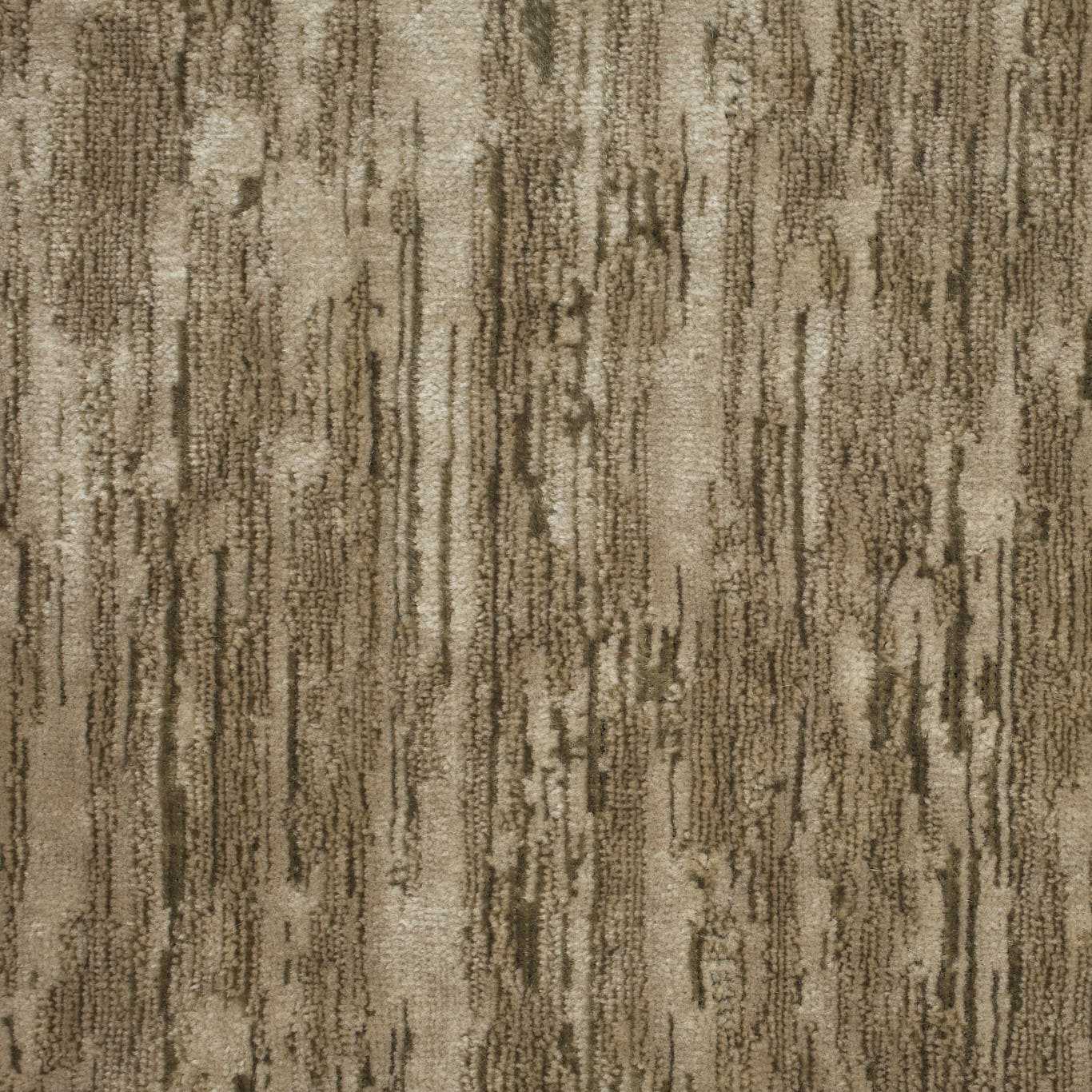

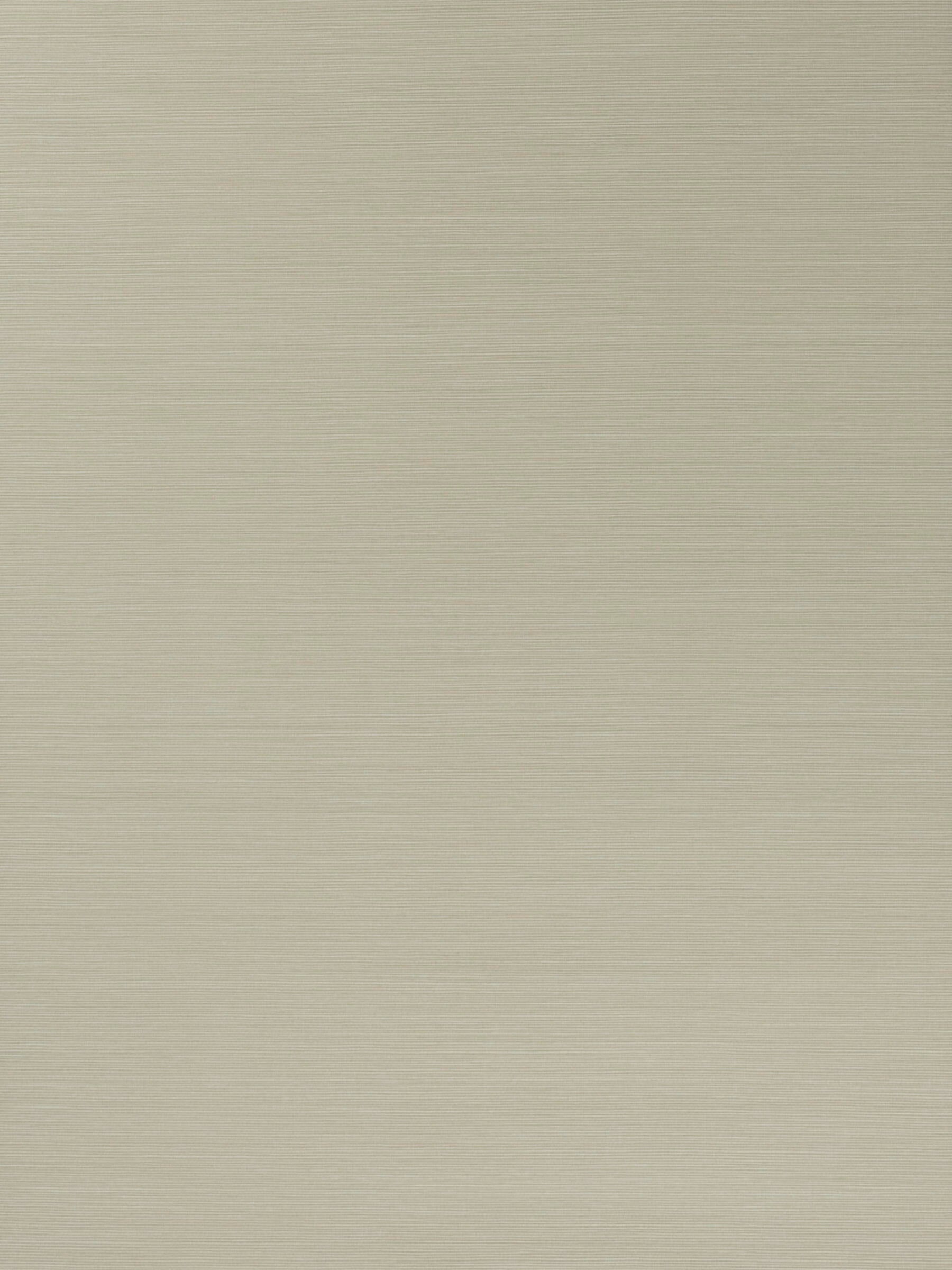
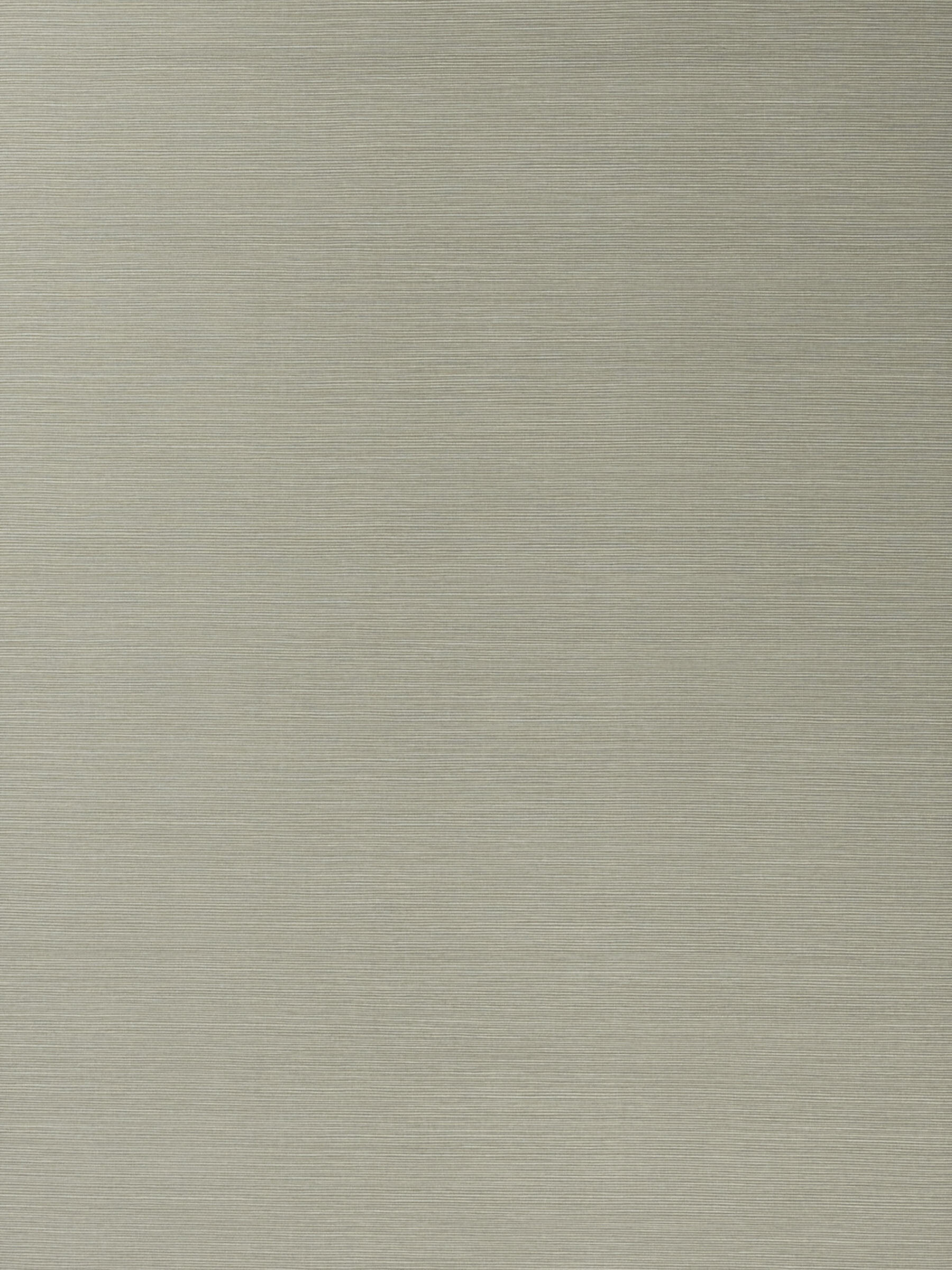
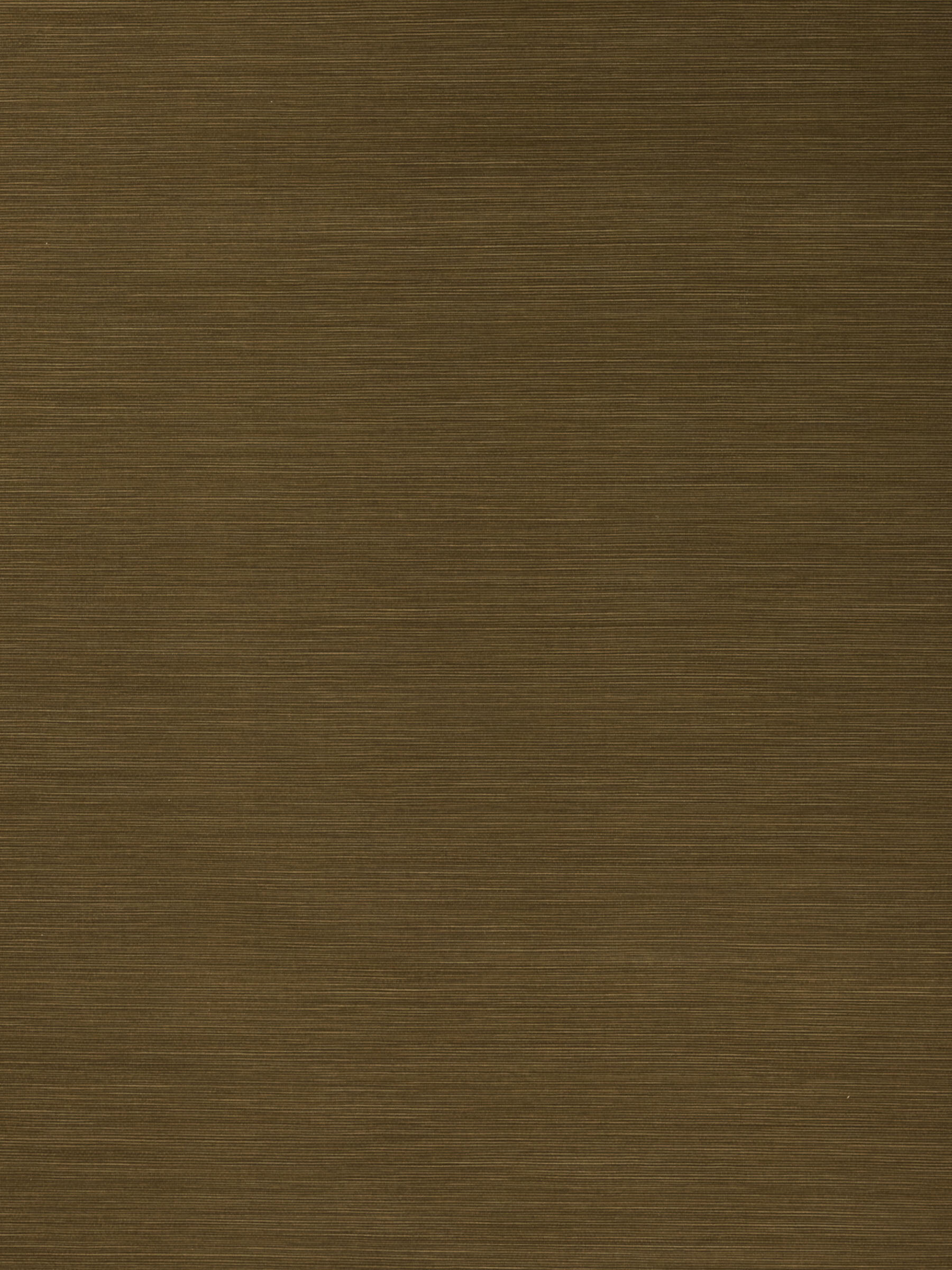
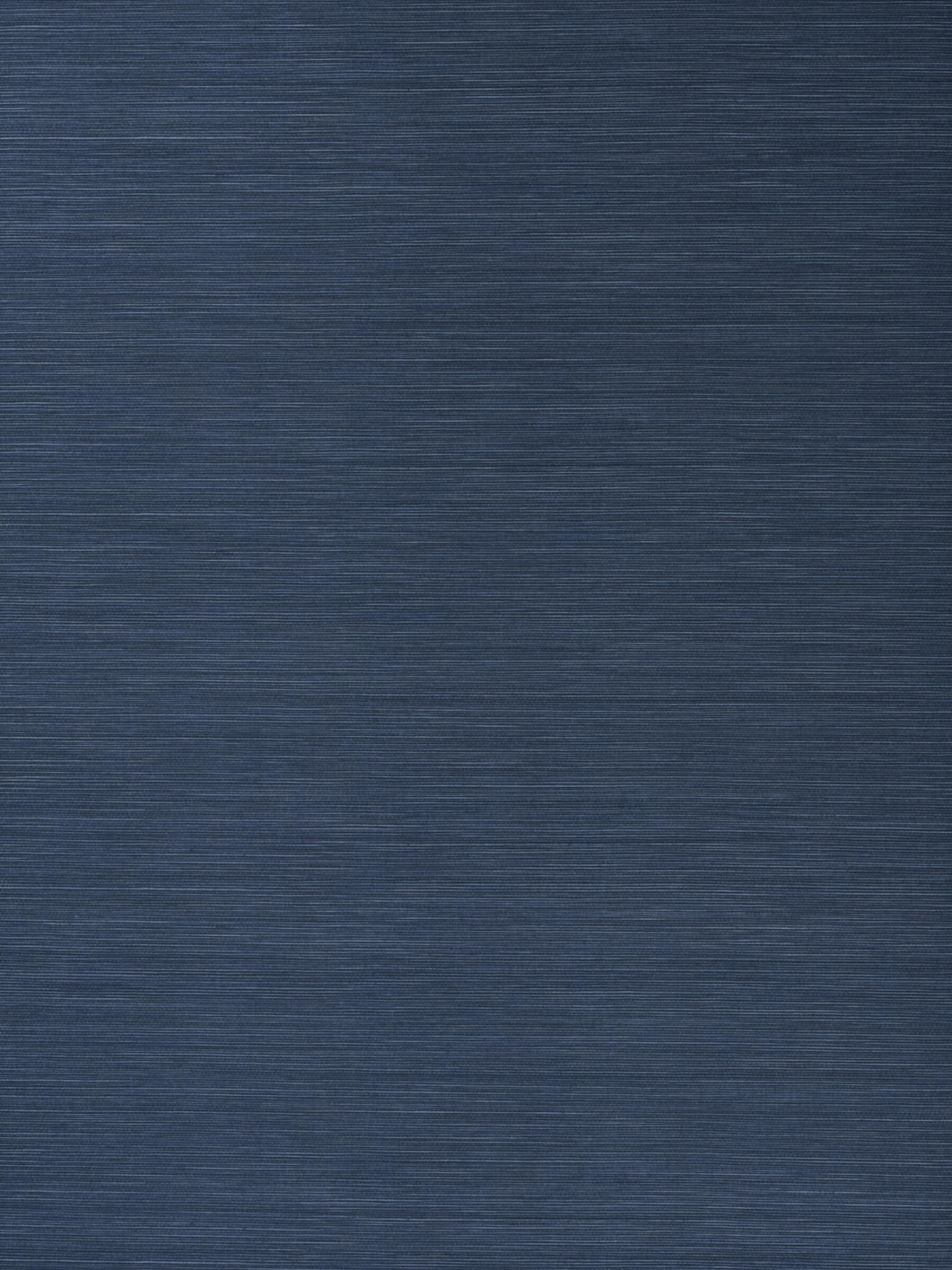
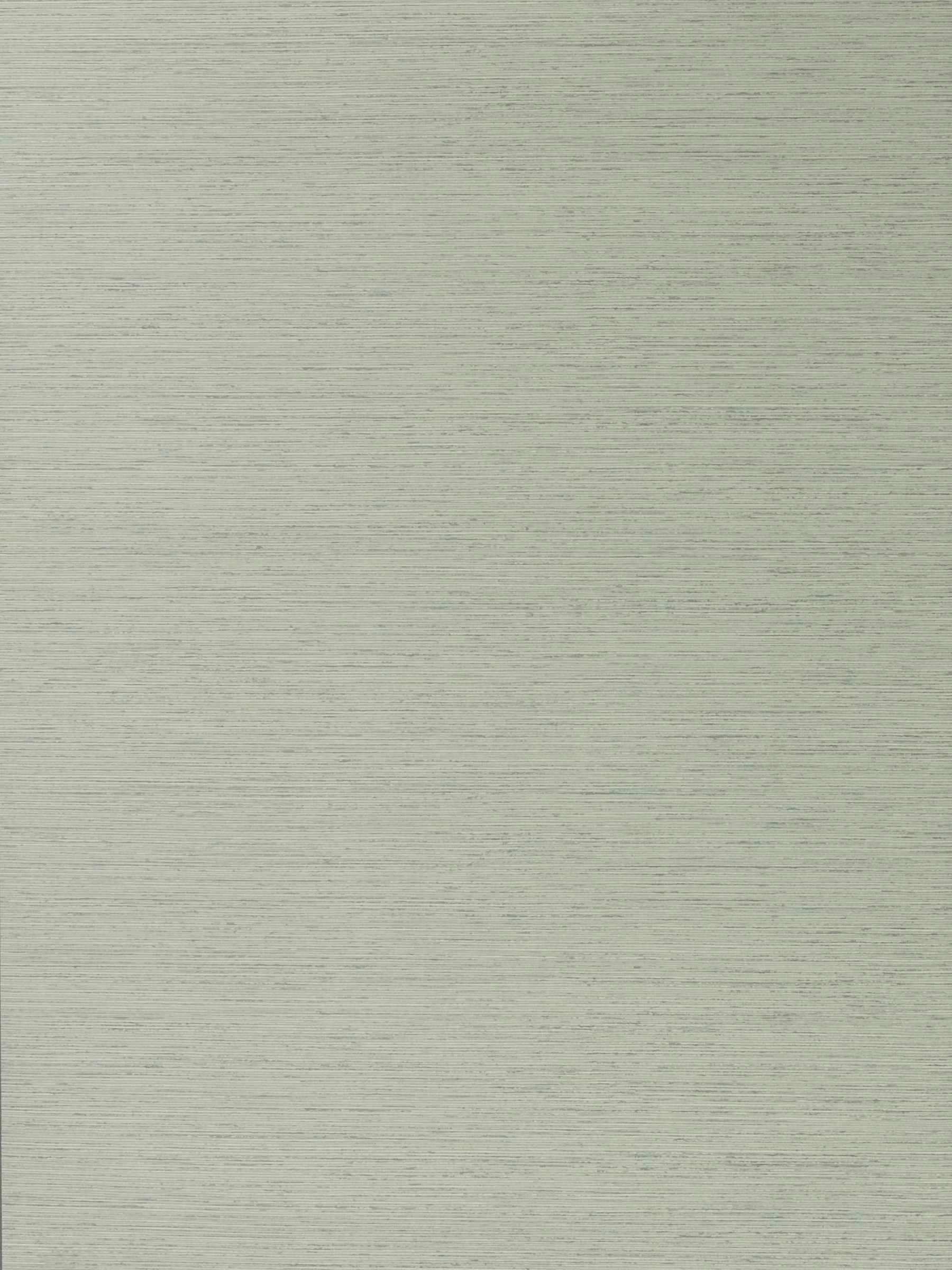
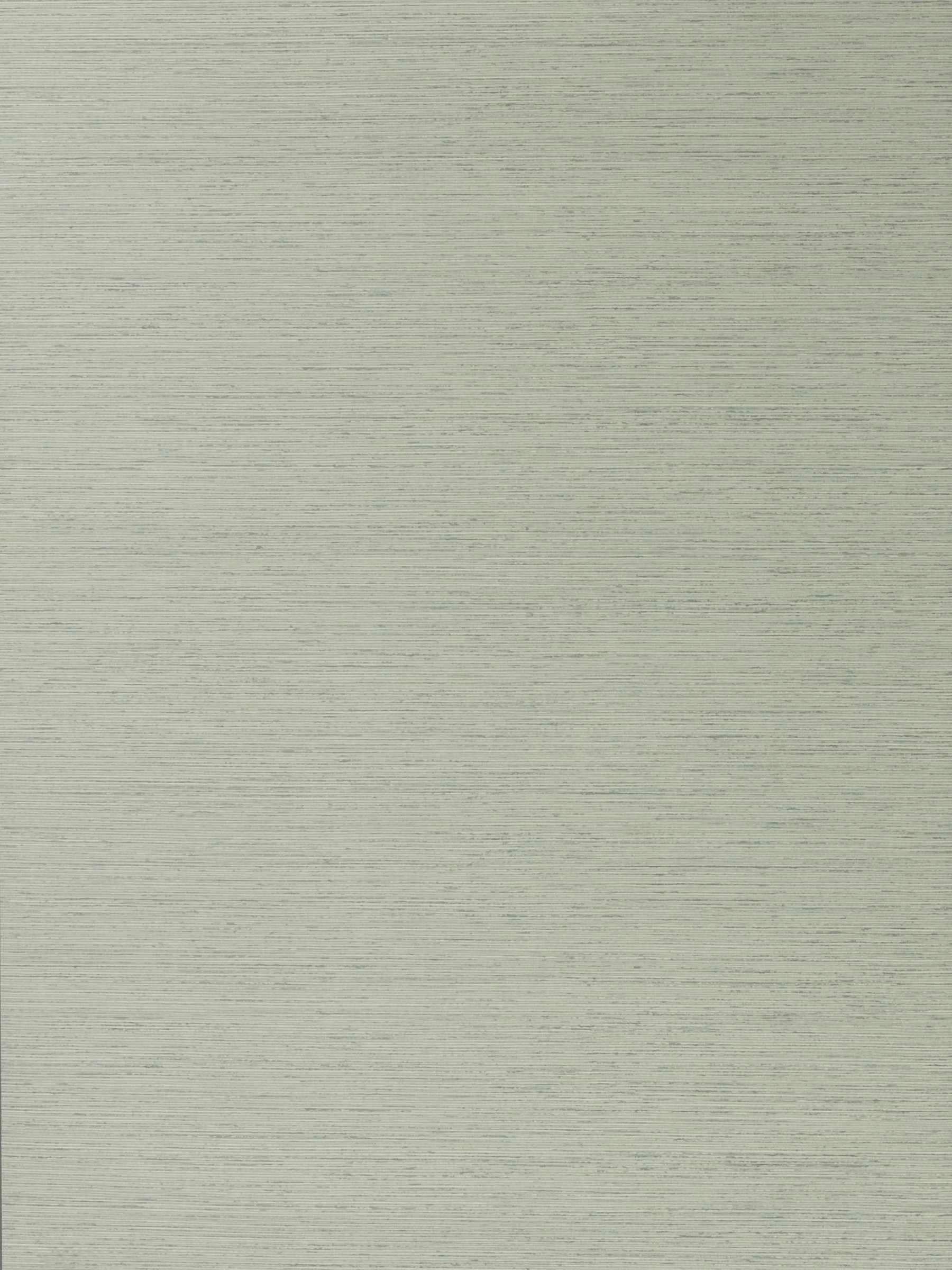
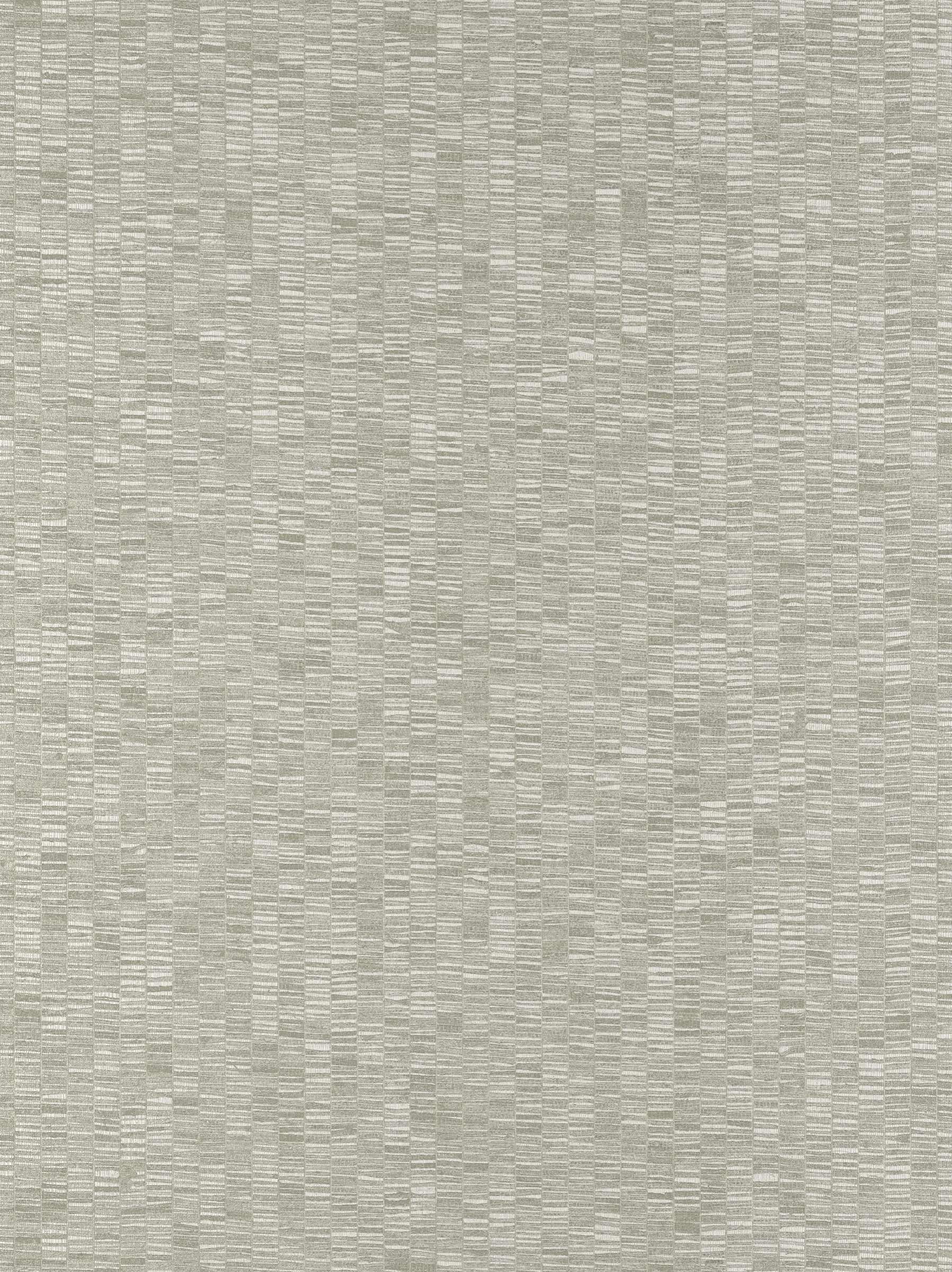
The natural fiber family, sorted
Under the umbrella of natural wall textures sit several distinct materials, and knowing which is which saves you from disappointment. Grasscloth (reed and vine) gives a fine horizontal grain. Sisal and arrowroot are tighter and more even. Jute is the ropiest and most rustic. Madagascar cloth is a coarse, open weave prized for its shadow depth. Each reads differently on the wall even in the same color.
Beyond the woven grasses, two outliers earn their place. Cork brings a soft, sound-dampening warmth and a mottled organic pattern. Mica, ground mineral applied over a paper base, adds a faint metallic shimmer that shifts with the light. Together they cover the full range from matte and rustic to quietly luminous.
Reading texture as design
Texture is a design tool with its own grammar. A tight, uniform weave like sisal reads as calm and contemporary, so it disappears into a minimalist room and lets the furniture speak. A loose, knotty jute or Madagascar weave reads as handmade and grounding, which suits a room that wants warmth over polish. Choosing the weave is really choosing the room's temperature.
Color and texture interact, too. A pale fiber emphasizes the weave because shadows do the work; a dark fiber flattens the texture and reads more as a rich solid. If you want people to notice the material, go lighter. If you want a moody envelope where the texture is felt more than seen, go dark.
Cork and mica, the specialists
Cork deserves a room where its qualities matter. It absorbs sound, insulates slightly, and forgives a wall that is not perfectly flat, which makes it a favorite for a home office, a media room, or a study. Its pattern is a soft, cloudy mottle that never repeats obviously, so it covers large walls without the busyness a printed paper would bring.
Mica is the evening material. Under daylight it looks like a quiet neutral, but under lamplight the mineral flecks catch and give the wall a low, shifting glow. It belongs in a dining room, a bar, or a bedroom where the room is used after dark. Because the shimmer is subtle, it flatters rather than shouts, which is why designers reach for it when they want glamour without gloss.
Quick checklist before you order
- Match the weavePick a tight weave for calm modern rooms and a loose weave for warmth and craft.
- One dye lotNatural fibers vary between runs, so order all panels from a single lot with extra to spare.
- Prime firstMost fiber needs a smooth, tinted, primed wall so the backing never shows through the weave.
- Sound and comfortChoose cork where you want quiet; it dampens noise and hides imperfect walls.
- Light it rightSave mica for rooms used after dark so lamplight can bring out its shimmer.
Frequently asked
What is the most durable natural wall texture?
Cork and vinyl-backed grasscloth hold up best. Uncoated woven fibers like jute and Madagascar are the most delicate and belong in low-traffic rooms.
Can natural fiber textures go over existing paint?
Yes, on a clean, smooth, primed surface. Glossy or textured paint should be sanded and primed first so the fiber adheres and lies flat.
Do textured wallcoverings hide bad walls?
Cork and heavy weaves forgive minor unevenness, but grasscloth and mica actually highlight flaws because light rakes across them, so prep still matters.
Read more
- How grasscloth is made: from harvested reed to a paper-backed boltGrasscloth is one of the few wallcoverings still largely made by hand, and the process explains almost everything about how it behaves on a wall.
- Sisal, arrowroot, and jute: telling the natural fibers apart by weave and handThe natural-texture family covers several distinct plants, and each has a coarseness, color, and character worth knowing before it goes on a wall.
- Cork wallcovering and the nine-year bark harvest behind itCork is stripped from a living tree that regrows its bark on a long cycle, which is why it is treated as a renewable material and why its texture is what it is.
- Why natural-fiber panels are meant to show their seamsWith grasscloth and its relatives, the joins between strips are visible by design, and pretending otherwise sets up disappointment.
- Color variation and dye lots: hanging grasscloth so the shading reads as intentionalBatch-to-batch and strip-to-strip color shift is inherent to natural fiber. Managing it at the point of order and on the wall is what keeps it looking deliberate.
- Paste, paperbacking, and keeping adhesive off the face of a natural weaveThe single most common way to ruin a grasscloth install is adhesive on the face, and the material's own construction dictates how to avoid it.